

Finding a keynote speaker you love is only half the job — the other half is actually securing them, on the right terms, without the process dragging into weeks of phone tag and missed connections. The good news is that booking a speaker follows a fairly predictable path. When you understand the steps and move through them with intention, you land your first-choice speaker more often, avoid the mistakes that cost planners their top pick, and build the kind of relationship that makes every future booking easier. Here’s how to secure your next keynote in six clear steps.
1. Get crystal clear on what you need first
Before you reach out to a single speaker, pin down the essentials: your date, your location, the size and makeup of your audience, your theme, the outcome you want, and your realistic budget range. The more specific you are, the faster a speaker or their representative can tell you whether it’s a genuine fit — and the more confident you’ll feel steering the conversation from the very first message.
This clarity also protects you from the most common booking mistake of all: falling for a dazzling speaker who turns out to be wrong for your audience, your format, or your budget. When you know exactly what your event needs, you can evaluate every option against the same yardstick instead of getting swept up by a great reel. A tight brief is the single best tool you have for moving quickly and choosing well.
2. Reach out early — and stay patient
Great speakers book out months, and sometimes a year or more, in advance. The earlier you make contact, the better your odds of landing your top choice on your specific date. Send a clear, friendly inquiry with your key details up front — date, audience, theme, and budget — so the very first reply can move things forward instead of kicking off a long back-and-forth just to establish the basics.
Then give the process a little room to breathe. Speakers and their teams are often juggling multiple events at once, so a day or two of turnaround is completely normal. A patient, organized planner is a genuine pleasure to work with, and that goodwill has a way of paying off — in flexibility on the details, in a warmer working relationship, and sometimes in a speaker choosing your event over another.
3. Talk commitment and compensation openly
Once there’s mutual interest, get the business terms on the table plainly: the fee, exactly what it includes, travel expectations, and any additional sessions, workshops, or add-ons you’re hoping for. Vague money conversations are where bookings quietly fall apart, so it pays to be direct and specific early.
Being upfront here does more than prevent awkward surprises later — it signals that you’re a professional who respects the speaker’s time and value. Speakers notice which planners are organized and straightforward about terms, and they tend to bring extra enthusiasm to events run by people who make the business side easy.
4. Understand the speaker’s needs
Securing a speaker isn’t only about what they can do for your event — it’s also about what they need in order to be at their absolute best. Ask about their audio-visual requirements, their ideal room setup, travel preferences, and how they like to prepare in the run-up to the event.
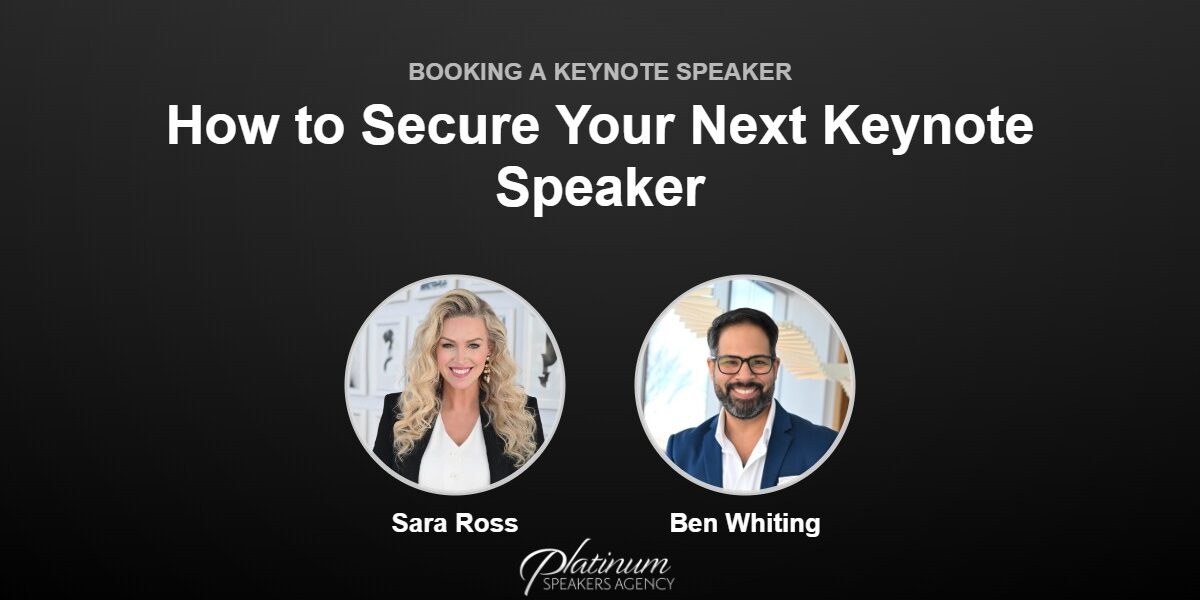
This matters more than planners often realize. A speaker like Ben Whiting, whose interactive, audience-driven style depends on the right room and reliable tech, will deliver something unforgettable when those details are handled — and something merely fine when they’re not. Getting the logistics right is how you unlock the performance you actually booked them for.
5. Set deadlines and lock the details
Turn the verbal yes into a firm booking by agreeing on clear dates for the contract, deposit, promotional materials, and the all-important pre-event call. Deadlines keep everyone accountable and ensure nothing important gets lost in the busy weeks leading up to your event.
This is also the stage to align on the small things that make a big difference: how the speaker will be introduced, what the run-of-show looks like, and who their point of contact will be on the day. Locking these details early means the event itself feels calm and rehearsed rather than improvised.
6. Appreciate your speaker
The best planner-speaker relationships don’t end when the contract is signed — they’re partnerships. Keep your speaker informed as plans firm up, make them feel genuinely welcome when they arrive, and follow up afterward with thanks and honest feedback.
It’s a small investment that pays real dividends. Speakers like Sara Ross bring their whole energy to a stage, and a host who treats them well gets the very best of it — plus a speaker who’ll happily return, recommend you to peers, or go the extra mile when you need a favor down the road.
The takeaway
Securing a keynote speaker comes down to preparation, clear communication, and treating the speaker as a partner from the first email to the final thank-you. Get those right and the process is smooth, your first-choice speaker says yes more often, and your event is in genuinely good hands.
Want to skip straight to the smooth part? At Platinum Speakers Agency, we handle the outreach, the terms, and the logistics for you, so securing exactly the right speaker is simple from start to finish. Browse our speakers or get in touch to get started.
That’s a good idea to narrow down which specific topics you want to cover before looking for the right keynote speaker. I am on the PTA for my child’s school, and we have recently been discussing hiring a speaker for our upcoming assembly. I will suggest that we make a list of the topics we are looking to cover before we search for speakers.
It was really helpful when you said to consider the theme of the conference. My cousin was telling me last night about how he has a conference coming up at his hospital in a couple of weeks, and he wants to make sure that we can find the right keynote speaker for the audience. I’ll make sure to pass this information along to him so that he knows what to look for when finding a speaker for his conference.